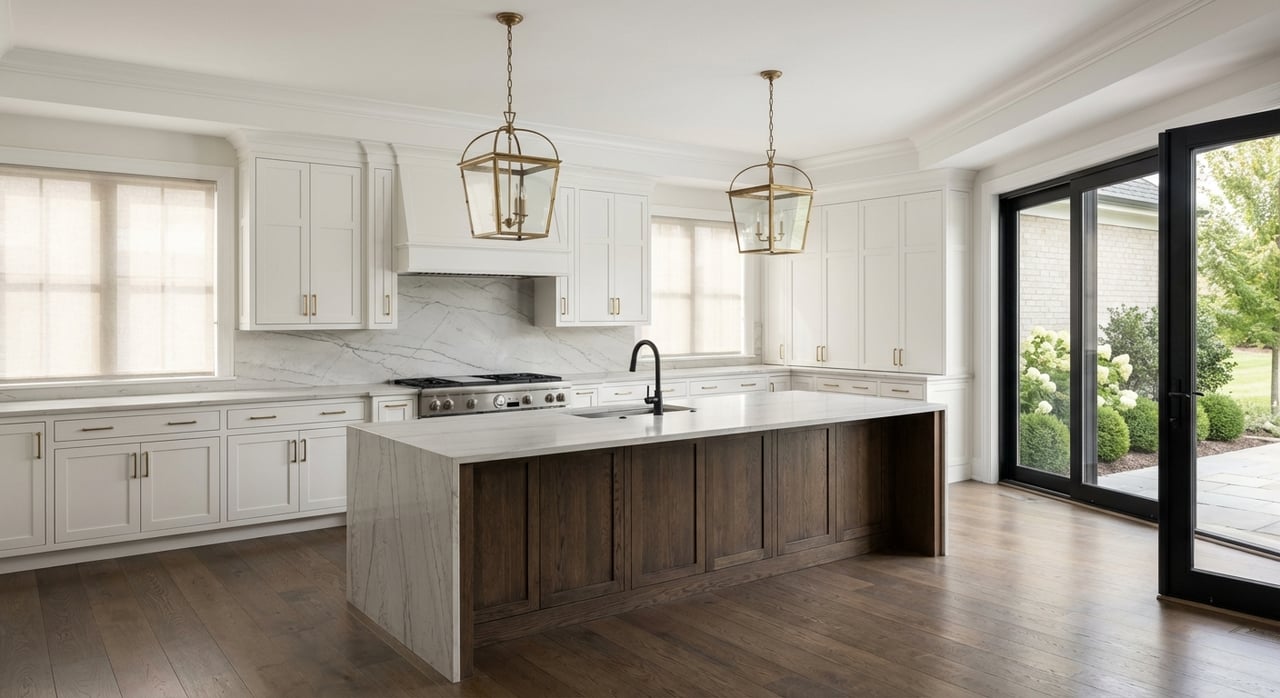
Buying New Construction In Franklin Lakes Explained
Thinking about a brand‑new home in Franklin Lakes but not sure where to start? You’re not alone. Between permits, builder contracts, inspections and financing, new construction can feel complex, especially in a high‑end market like 07417. This guide breaks the process into clear steps, highlights New Jersey protections, and shows where you can save time and stress. Let’s dive in.
Franklin Lakes is known for larger lots and luxury single‑family homes. Inventory usually leans toward one‑off custom builds and boutique spec or semi‑custom homes, with fewer large subdivisions than fast‑growing suburbs. As a reference point, Redfin reported a median sale price around $2.075 million in January 2026. Always verify current pricing before you write an offer.
If you’re buying here, expect more personalization options, careful permitting, and close coordination with the borough. You’ll work within New Jersey’s Uniform Construction Code, enforced locally by licensed officials, and schedule inspections through the borough. For permit and inspection guidance, review the Franklin Lakes Building Department resources and contacts on the borough site.
You or a developer select the lot, hire an architect and a local builder, and design to your goals. You’ll manage more permitting and site details, including tree and grading rules, and sometimes planning or zoning board approvals. Timelines trend longer, but you control the plan and finishes.
A local builder offers floor plans and curated finish packages. You choose options in a design studio and can often move in faster than a full custom. This route is popular with relocators and move‑up buyers who want high style without waiting a year or more.
When available, these fall under New Jersey’s Planned Real Estate Development rules and come with HOA documents, financials, and specific disclosures. Treat HOA bylaws and budgets as core parts of due diligence. Review developer registration and consumer protections under the state’s programs through the Department of Community Affairs.
Timing varies by complexity, permits and weather, but here’s a typical sequence and what to expect in North Jersey.
Order a survey, confirm zoning, check for wetlands or stream buffers, and verify utility availability versus septic or well. Ask the borough about local tree or landscape permits and any unique lot constraints. Start title review early to catch easements or restrictions.
In New Jersey, construction is regulated under the state Uniform Construction Code and enforced locally. Your architect submits plans, officials review them, and the builder schedules required inspections. Timing depends on the project and municipal workload.
Site clearing, excavation, footings and foundation, framing, and rough plumbing, electrical and HVAC. Municipal inspections occur at key stages like foundation and pre‑drywall. Expect this phase to take about 1 to 3 months on straightforward sites.
Insulation, drywall, cabinets, tile, trim, fixture installs and systems commissioning. Builders work through punch‑list items as they go. Many projects finish this phase in roughly 2 to 4 months.
The enforcing agency conducts finals and issues a Certificate of Occupancy or temporary CO once corrections are complete. Plan to close only after you have a CO in hand. For PRED or condo homes, confirm all HOA transition steps and filings are complete.
Recent industry reporting on single‑family build times shows national averages around 9 to 13 months, with the Middle Atlantic often running longer due to permitting, complex sites and weather. Budget 9 to 18 months for custom projects and 6 to 10 months for well‑planned semi‑custom or spec builds. Ask your builder for a written schedule with milestones, and build in cushion for permits and change orders.
New construction contracts favor clarity. Work with a New Jersey real estate attorney who handles builder agreements so you know exactly what you’re buying.
New Jersey requires builders to provide a new‑home warranty. Most workmanship and materials are covered for the first year, plumbing, electrical and HVAC systems for two years, and major structural defects for ten years. The home must be enrolled in an approved warranty plan, and you should get documentation at closing. Review coverage limits, follow the administrator’s claim process, and note filing deadlines.
Municipal inspections verify code compliance. They do not confirm the finish quality or every contractual detail. Hire an independent inspector who works for you and schedule phased inspections.
Industry sources recommend these checkpoints for new homes, and many inspectors offer bundled new‑construction packages.
Bring this quick list to your pre‑closing walkthrough:
Many buyers choose a construction‑to‑permanent loan so you close once and the loan converts at completion. Builders may offer preferred lenders and incentives like rate buydowns or credits. Shop at least one independent lender so you can compare true costs, lock options and timelines.
Appraisals on new homes rely on comparable new sales. In Franklin Lakes, comps can be thin, which can affect value opinions. Keep appraisal language in your contract where possible and discuss alternatives with your lender early.
New builds also trigger new or updated property tax assessments. Contact the Franklin Lakes Tax Assessor for the assessment process and timing so you can budget accurately.
Builder sales staff represent the builder’s interests. An experienced buyer’s agent represents you and can:
Ready to plan your build or evaluate a specific property in 07417? Connect with a local team that does this every day. Reach out to The Ivanov Group for a calm, expert path from lot to CO to keys in hand.
Stay up to date on the latest real estate trends.

Whether you're looking to invest, build, or find your dream home, The Ivanov Group is here to help. Contact us today to learn more about how we can be a part of your real estate success story.