Wondering which part of Ridgewood best fits your lifestyle? You might love a morning coffee on a walkable main street, or prefer a quiet, tree‑lined block with more yard. Either way, you want clear guidance on how Ridgewood’s micro‑neighborhoods differ so you can shop with confidence. This guide breaks down the key trade‑offs in 07450, including walkability, housing styles, commute access, and cost considerations. Let’s dive in.
How Ridgewood neighborhoods differ
Walkability and downtown access
Ridgewood’s Village core is a major draw, with a lively main street and the Ridgewood train station at its center. The closer you are to the Village, the easier daily errands, dining, and commuting can be. As you move outward, streets become more residential and car‑oriented, with a quieter feel and larger lots.
Housing styles and lot sizes
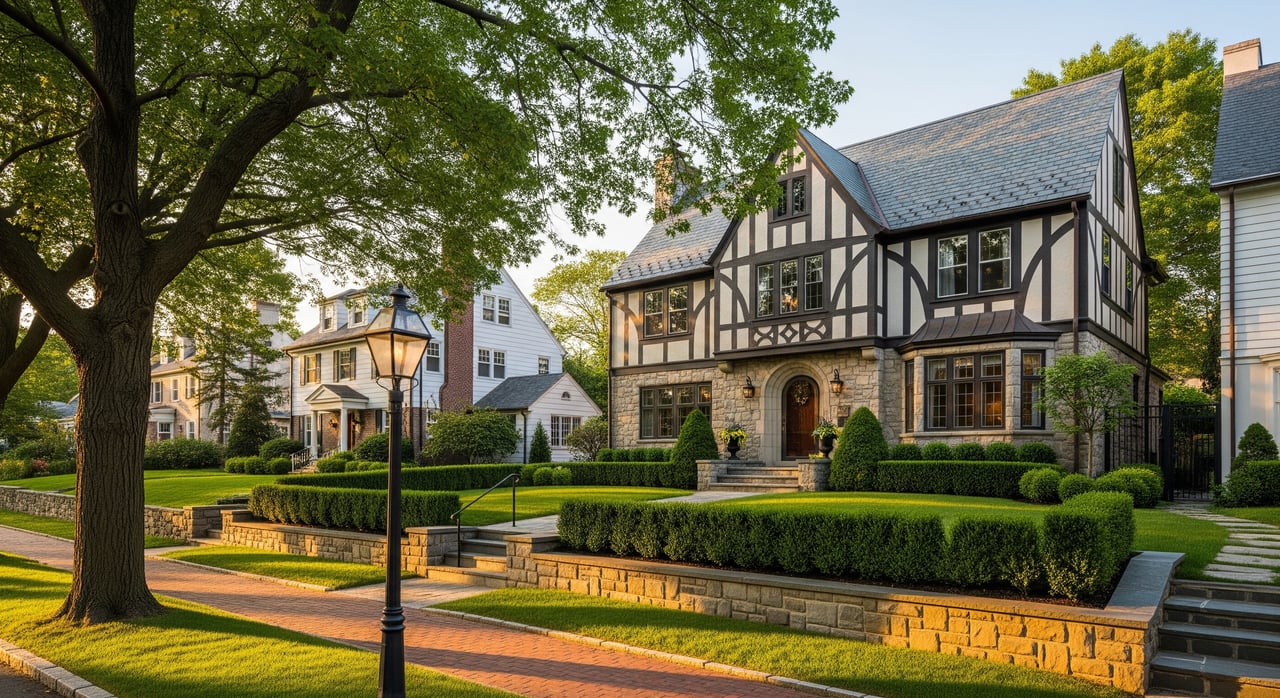
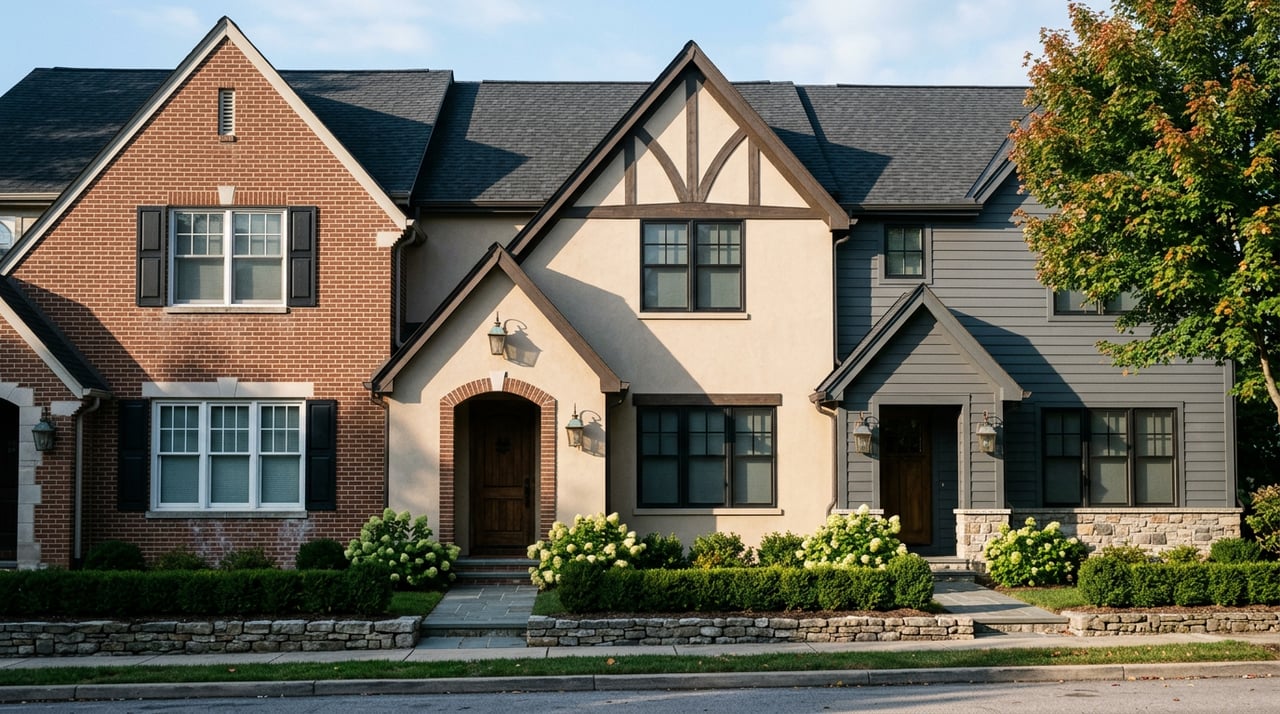
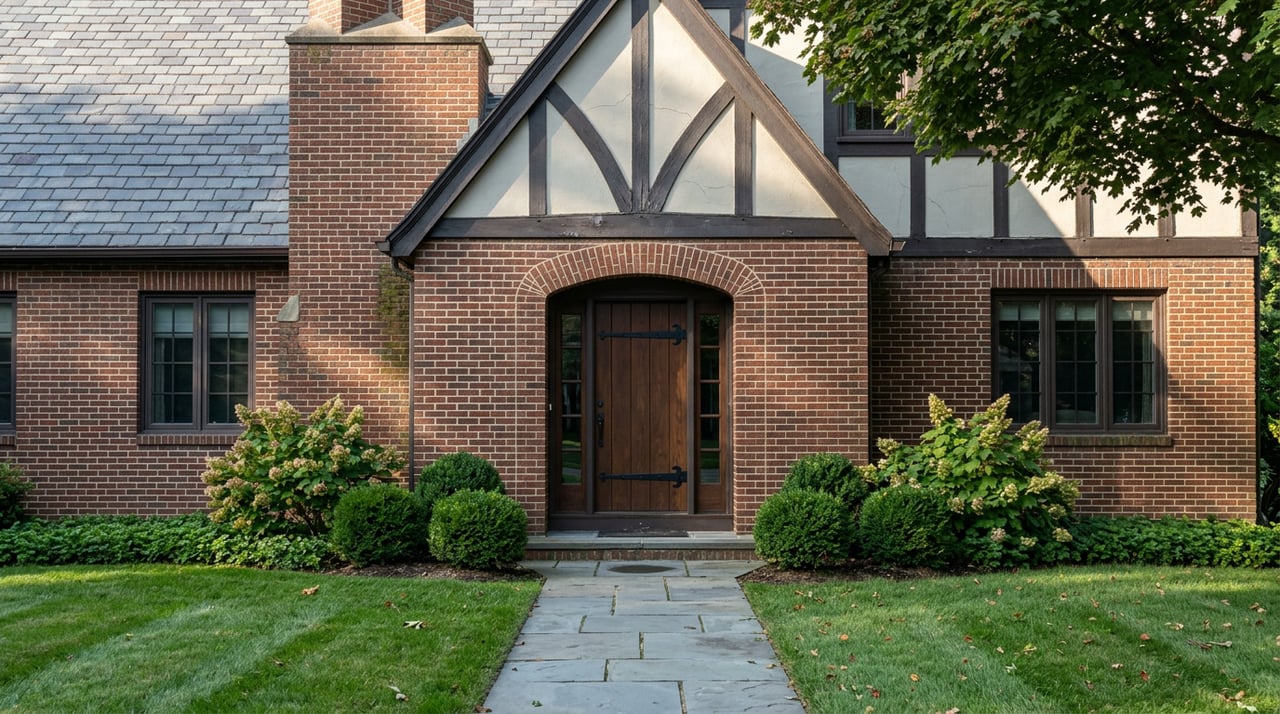
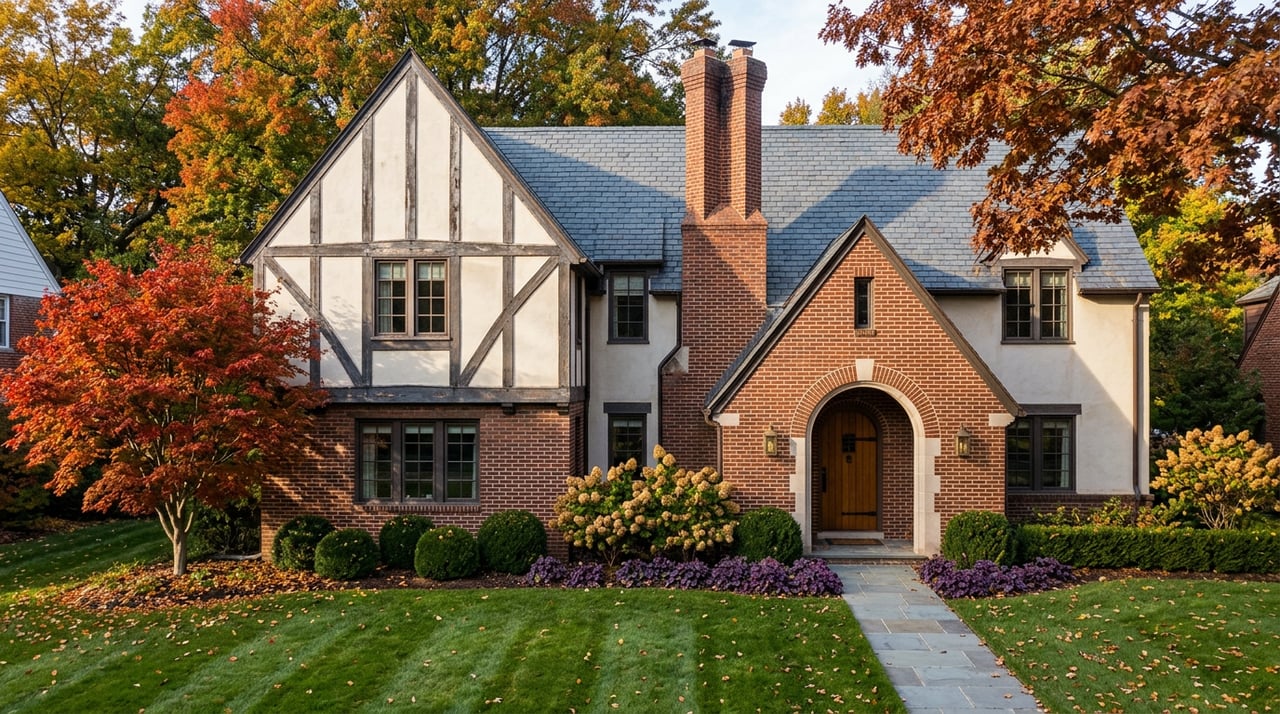
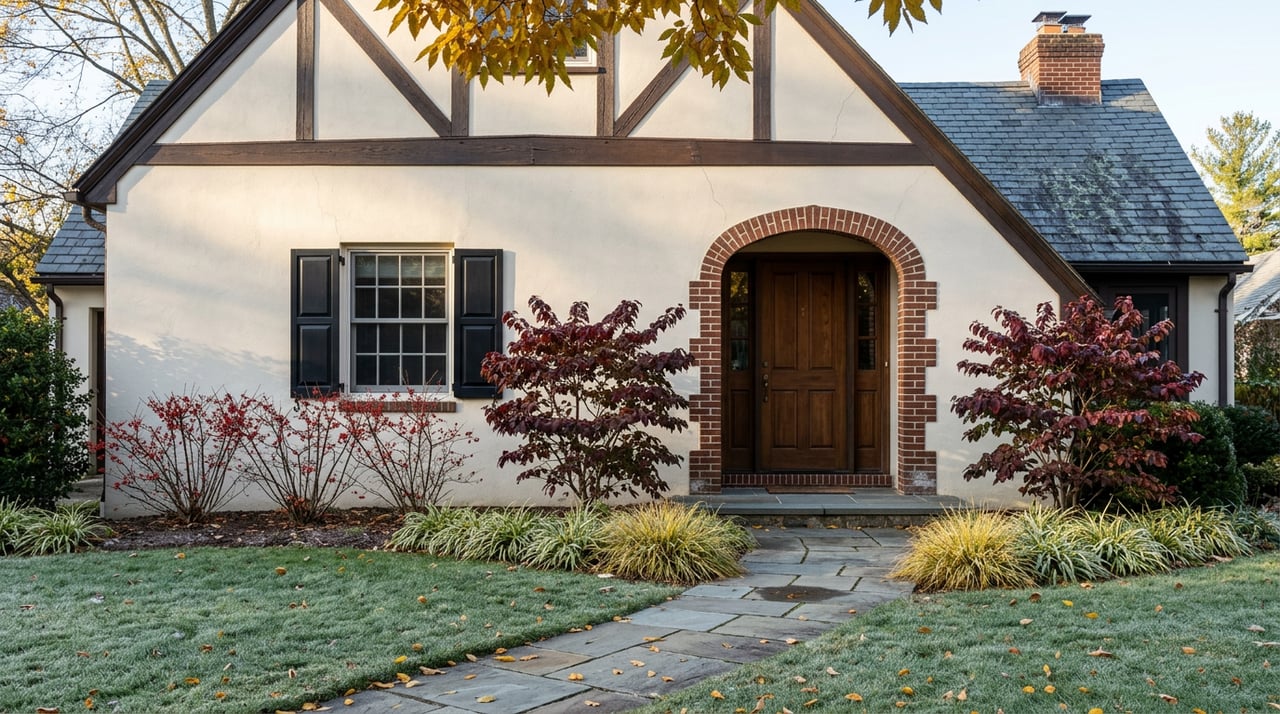
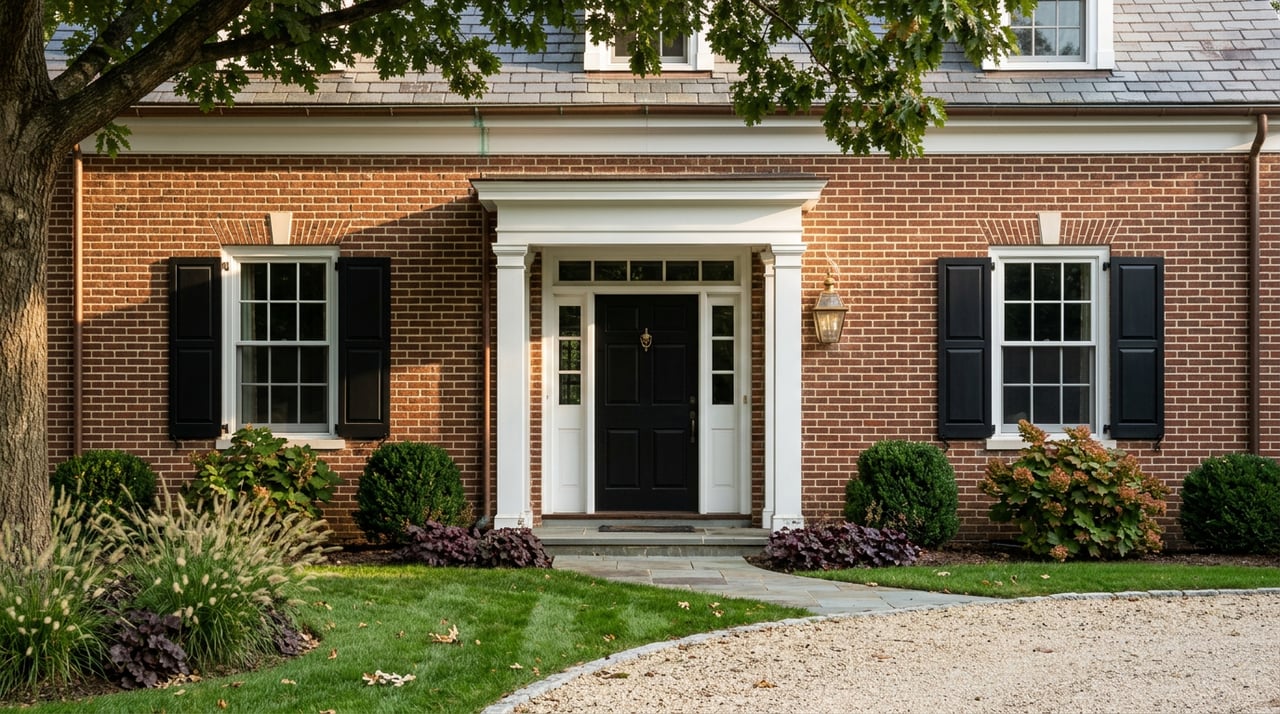
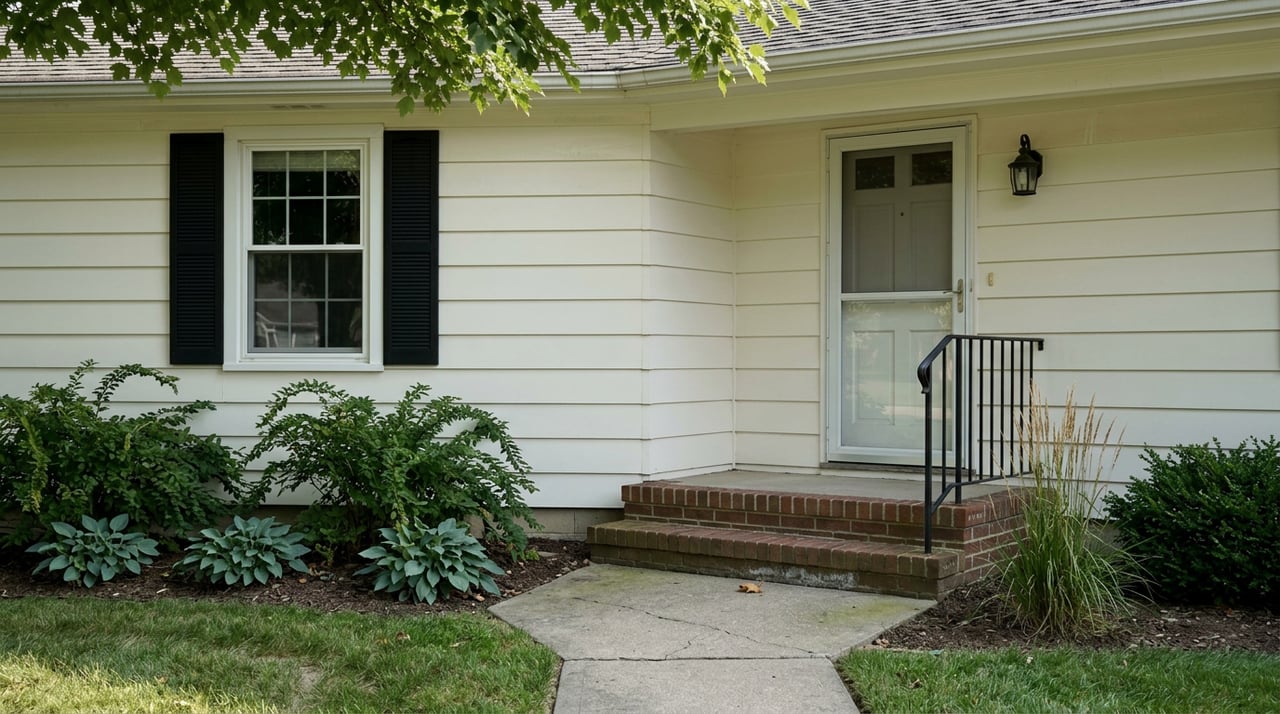
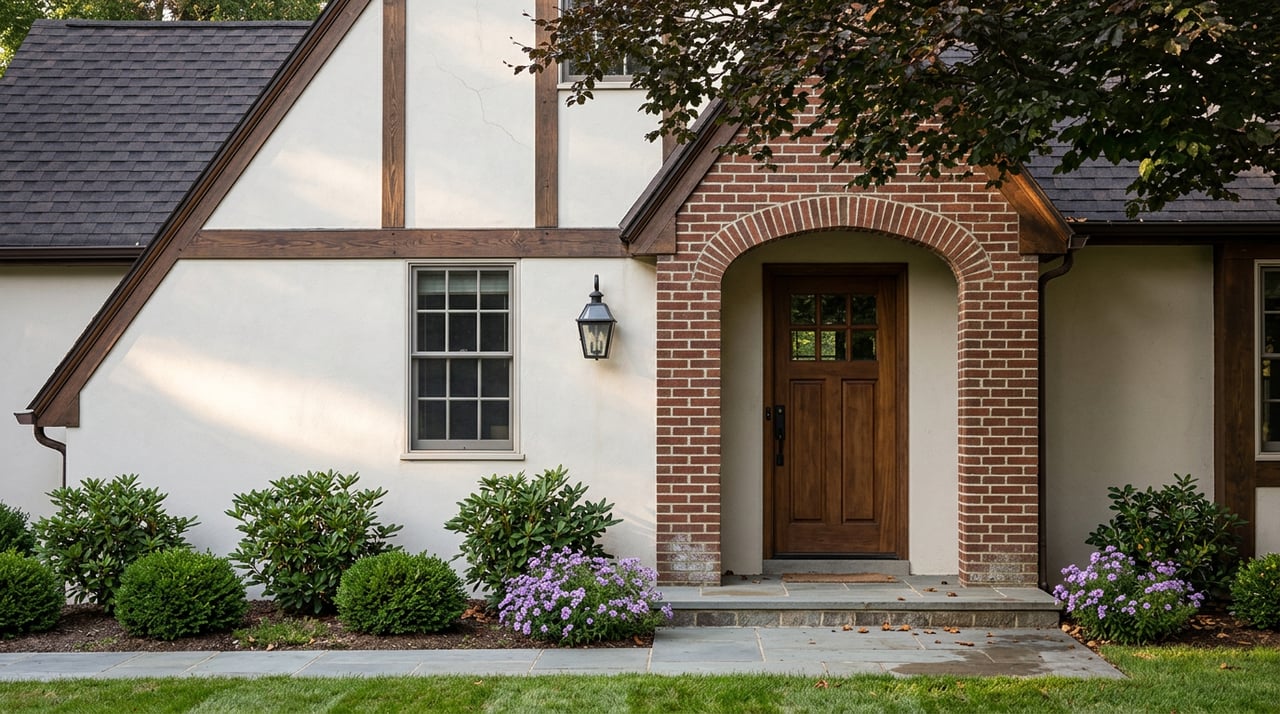
You will see a wide mix: turn‑of‑the‑century Victorian, Colonial Revival, and Tudor homes near the older core, along with modest mid‑century ranch and split‑level homes farther south. There are also selective newer townhomes and condos near transit nodes. Lot sizes typically increase as you move away from downtown.
Commute realities
Proximity to the Ridgewood train station is a value driver. Many buyers focus on walk times to rail and the availability of permit parking. If you rely on highways, the southern edges offer quicker access to Route 17 and the Garden State Parkway. Biking into the Village is practical from many inner streets, while outer areas lean more car‑dependent.
Neighborhood-by-neighborhood guide
Village Core
- Character: Highly walkable, mixed‑use blocks with historic storefronts, cafes, and services.
- Housing: Condos, apartments, small‑lot single‑family homes, and occasional duplex conversions.
- Commute: Easiest access to the Ridgewood station and bus stops.
- Buyer fit: Urban‑minded buyers, commuters, and downsizers who value convenience over yard size.
- Price feel: Often top tier on a per‑square‑foot basis due to location.
North and Northeast Ridgewood
- Character: Quiet residential streets near small parks and local schools.
- Housing: Larger single‑family homes with architectural variety, including Colonial and Tudor.
- Commute: Short drive or bike to downtown; not always a quick walk.
- Buyer fit: Buyers who prioritize larger homes and a calmer setting with relatively quick access to schools.
- Price feel: Generally high given home size and location.
West Ridgewood
- Character: Leafy blocks and classic early‑20th‑century homes near the Glen Rock border.
- Housing: Well‑maintained historic homes with some larger lots in select pockets.
- Commute: Varies by street; many areas are a longer walk to the Village but within a short drive.
- Buyer fit: Buyers seeking a suburban feel, larger properties, and cross‑town convenience.
- Price feel: Comparable to other desirable residential sections, with premiums on standout streets.
South Ridgewood and the Heights
- Character: Suburban and more auto‑oriented, with quick access to major roads and retail corridors.
- Housing: Mid‑century ranch and split‑level homes, plus newer infill on subdivided lots.
- Commute: Fastest for drivers to Route 17 and the Garden State Parkway; longer walk to train.
- Buyer fit: Value‑conscious buyers who want more interior space and easy driving access.
- Price feel: Often more modest than the Village core, with variation by lot and updates.
Transitional and edge pockets
- Character: Small enclaves with larger lots or unique plats that feel more private.
- Housing: Larger single‑family homes, occasional custom builds, and some multi‑unit conversions.
- Commute: Mixed. Some pockets sit close to downtown while others feel more remote.
- Buyer fit: Buyers seeking privacy and a bridge between village convenience and an estate‑like setting.
- Price feel: Limited inventory and unique parcels can command premiums.
Commute and transportation at a glance
- Rail: NJ Transit serves Ridgewood station with routes to Hoboken and connections to Secaucus and New York Penn Station. Typical peak journeys to Midtown are roughly 30 to 50 minutes, depending on schedule and transfers. Always confirm current timetables.
- Bus: Regional and local routes operate in and around the Village. Frequency and travel times vary, so check current schedules if bus commuting matters to you.
- Driving: Southern neighborhoods offer the quickest access to Route 17 and the Garden State Parkway. Travel times depend on time of day and exact location.
- Parking: Near the Village, you may rely on municipal or permit parking. Farther out, most homes have driveways and garages.
- Biking and walking: Inner neighborhoods are bikeable and walkable to the Village. Outer areas are more car‑dependent, and sidewalks vary by street.
Quick distance guide to the station
- 0 to 10 minutes on foot: Walkable core and nearby residential blocks.
- 10 to 20 minutes by bike or a short drive: North, west, and many central streets.
- 20+ minutes or drive‑first: Outer south and edge pockets.
Price, taxes, and cost of ownership
Price patterns reflect proximity to the Village and the station, home size, and lot characteristics. Close‑in streets and historic homes often command higher per‑square‑foot pricing. South and outer areas tend to offer more interior space for the money.
Bergen County property taxes are typically higher than national averages. Smart budgeting means calculating annual carrying costs based on the property’s assessed value and current municipal tax rates. Expect taxes to be a key factor when comparing Ridgewood with neighboring towns.
Schools and planning context
Ridgewood Public Schools are a major draw and are commonly regarded as highly rated within New Jersey. For current performance data, attendance zones, and policies, review the latest New Jersey Department of Education report cards and district resources. If a specific school assignment is important to you, verify it with the district before making an offer.
Historic preservation and zoning shape what can be built and where. Some blocks have design controls that protect neighborhood character. If you plan to renovate or rebuild, consult Ridgewood’s planning and zoning offices early to understand approvals, timelines, and any historic considerations.
Buyer profiles and fit
- Urban‑minded and downsizers: Prefer the Village core for walkability, dining, and low‑maintenance living.
- Transit‑first commuters: Focus on close‑in streets and permit parking options near the station.
- Buyers prioritizing schools: Often choose north and west residential areas or centrally located streets with larger homes.
- Value‑focused buyers: Look south for bigger interiors, newer infill, or homes that can be updated over time.
- Privacy seekers: Consider edge pockets with larger lots and unique parcels.
Choosing your Ridgewood fit: a quick rubric
- Choose the Village Core if you want maximum walkability, nightlife, and the fastest access to the station.
- Choose North or West Ridgewood if you want larger homes on quiet streets within a short drive or bike ride to downtown.
- Choose South Ridgewood and the Heights if you want more interior square footage and quick highway access.
- Choose Transition Pockets if you want more privacy and distinct lots with a town‑and‑country feel.
What’s changing: preservation and infill
Ridgewood balances strong historic character with selective infill near transit. You will see some condo and townhouse development near the Village and other transit‑oriented spots. Inventory can be tight in the most sought‑after blocks, and well‑located, move‑in ready homes can attract multiple offers. Buying with a clear plan, up‑to‑date data, and early access to opportunities can give you an edge.
Next steps
If you are early in your search, outline your top two priorities among walkability, home size, yard, commute, and budget. From there, tour one neighborhood per day to get a true feel. Confirm commute options and parking, calculate carrying costs including taxes, and verify school details with the district.
When you are ready for a strategy conversation, we are here to help. The Ivanov Group pairs local expertise with data‑driven tools to match you with the right streets and uncover curated on and off‑market opportunities. If new construction or renovation is on the table, our builder partnerships and advisory approach can streamline decisions from plan to punch list. Let’s craft a search that aligns with your goals and timeline.
Connect with The Ivanov Group to map your Ridgewood neighborhood shortlist and get moving with confidence.
FAQs
Which Ridgewood areas are walkable to the train station and downtown?
- Blocks in and around the Village Core are typically within a 0 to 10 minute walk, while many north, west, and central streets are a short bike ride or drive.
How long is the commute from Ridgewood to Midtown Manhattan?
- Typical journeys run about 30 to 50 minutes depending on schedule, express vs. local service, and transfers; always verify current NJ Transit timetables.
Where in Ridgewood will I find larger lots or more privacy?
- Select pockets in the west, north, and edge areas offer larger parcels, while the Village Core trends smaller and more walkable.
What should I expect for parking if I live near downtown?
- Many close‑in homes rely on municipal or permit parking and smaller driveways, while outer neighborhoods commonly include larger driveways and garages.
How do property taxes factor into my budget in 07450?
- Bergen County property taxes are often higher than national averages; calculate annual costs using the property’s assessed value and current municipal tax rates.
Which Ridgewood neighborhoods serve specific public schools?
- Ridgewood is a single district, but attendance zones and programs can change; confirm your address assignment with the district before you buy.