Is lake living part of the reason you’re drawn to Franklin Lakes? You’re not alone. The borough’s quiet streets, wooded lots, and sparkling ponds create a lifestyle centered on water, clubs, and year-round recreation. In this guide, you’ll learn how lake communities work, what memberships typically include, seasonal activities to expect, and the key due-diligence steps if you plan to buy or sell. Let’s dive in.
Lake living in Franklin Lakes
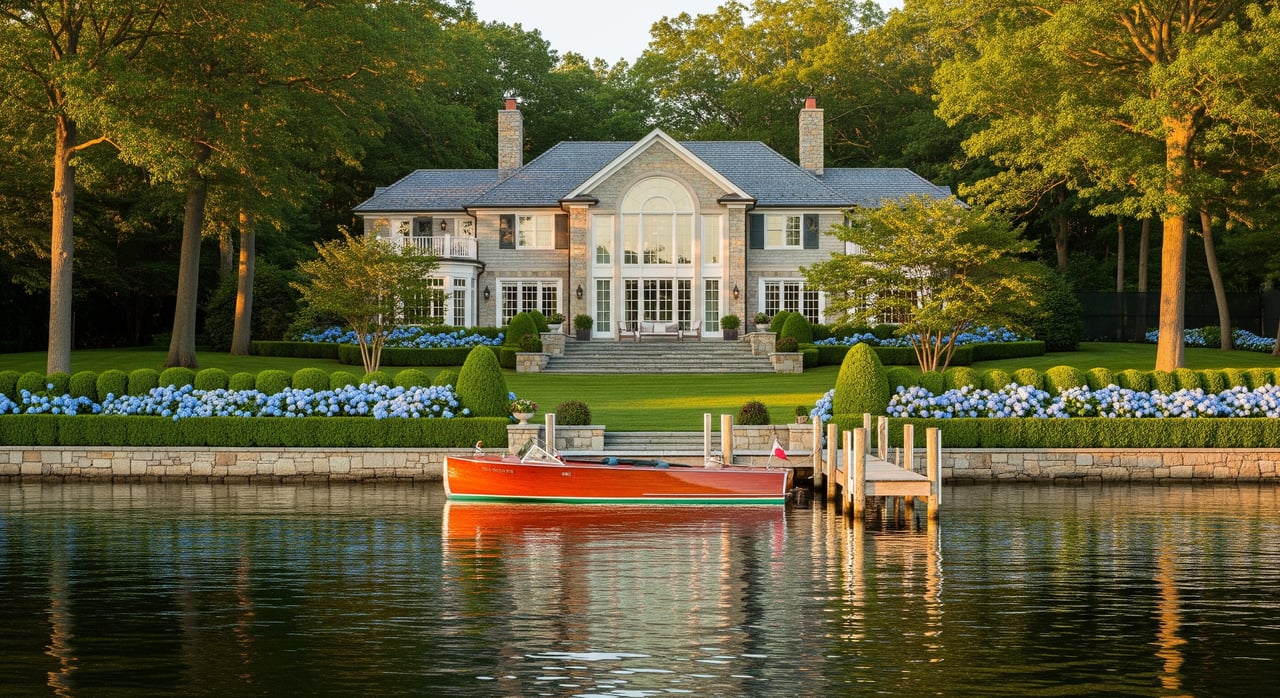
Franklin Lakes features neighborhoods built around small lakes and ponds, many with private or association-managed amenities. That can mean beach access, docks, small craft boating, and community events that shape daily life. It also means rules, fees, and maintenance responsibilities that are important to understand before you commit.
The biggest distinction is access. Many lakes in suburban New Jersey are privately owned or overseen by homeowner or lake associations. Public beaches or launches are less common with smaller, privately controlled lakes. Always confirm the status for a specific water body before planning how you’ll use it.
Access and membership basics
- Many lakes require association membership to use beaches, docks, and boats.
- Expect permits or stickers for watercraft and parking, plus guest rules.
- Some access is tied to property ownership; others are voluntary memberships.
- Confirm how membership transfers when a home is sold.
Common lake rules
- Non-motorized or electric boats are typically allowed; gasoline engines are often restricted for safety and water quality.
- Life jackets, speed limits, and boat-size limits are common.
- Swimming is usually permitted only in designated areas and seasons with posted rules.
- Winter use such as ice skating or ice fishing is allowed only when an association or borough authority posts conditions as safe.
Safety and environmental notes
Water quality and environmental health are actively managed in many lake communities. Associations or local agencies may monitor for bacteria, nutrients, and harmful algal blooms. Guidance and oversight often involve state agencies such as the New Jersey Department of Environmental Protection, county health departments, and local officials. If a lake is maintained by a dam, periodic inspections and required maintenance can fall under state dam safety rules.
Why it matters: advisories can limit swimming or other activities when posted, and regulatory requirements can lead to planned maintenance projects or assessments.
Maintenance and costs
Lake associations fund ongoing care and capital projects through annual dues and occasional special assessments. Typical maintenance includes weed harvesting, invasive-species treatment, shoreline stabilization, fish stocking, aeration systems, and periodic dredging. Dam inspections and repairs also occur for lakes formed by dams.
Budget health matters. Review reserve levels, recent minutes, and planned projects so you understand potential costs ahead.
Clubs and organized recreation
Beyond lake associations, you’ll find a variety of membership-based options that shape the Franklin Lakes lifestyle. These can range from private beach clubs to country clubs, tennis and paddle, equestrian facilities, and civic organizations. Youth sports and adult recreational leagues are common and often run in partnership with the borough recreation department.
How memberships work
- Property-owner memberships: Some communities tie amenities to specific properties, with dues billed through an HOA or lake association.
- Voluntary seasonal or annual memberships: Beach or swim clubs may offer flexible plans for households.
- Private clubs: Country clubs or similar facilities typically charge an initiation fee plus annual dues and have guest policies.
Always request current membership details, including what’s included, hours, guest passes, and whether memberships are transferable with a sale.
What to ask about costs
- Initiation fees and annual dues, plus any minimum spend requirements for private clubs.
- Assessment history for capital projects like dredging, dam repairs, or clubhouse upgrades.
- Waitlists, residency requirements, and how memberships transfer when you buy or sell.
Parks, trails, and outdoor options
Residents supplement lake and club life with nearby parks and greenways. County-operated parks offer passive recreation, picnic areas, and trail networks used for hiking, birding, and biking. Municipal parks typically host playgrounds and sports fields and serve as hubs for youth and adult leagues.
If trails and preserves are high on your list, ask about current access, parking, and seasonal closures with county or borough staff. Conditions and policies can change with maintenance cycles or weather.
Trails and preserve access
- Expect multi-use paths and wooded trails suitable for year-round walking and hiking.
- In winter, some trails may be appropriate for cross-country skiing when conditions allow.
- Check posted guidance for trail etiquette, hours, and permitted uses.
Dog and seasonal rules
- Leash rules are typical in county and municipal parks; always follow posted policies.
- Seasonal restrictions may apply in sensitive habitat areas.
- Waste disposal rules are strictly enforced to protect water quality.
Seasonal lifestyle highlights
Each season in Franklin Lakes brings a new rhythm to recreation and community events.
Summer
- Swimming at private or association beaches when open and guarded.
- Kayaking, canoeing, and paddleboarding on permitted lakes.
- Youth camps, swim lessons, and outdoor concerts organized by recreation or clubs.
Fall
- Hiking and nature walks in local preserves and county parks.
- Youth sports seasons for soccer and other leagues.
- Harvest-themed and community fundraising events.
Winter
- Natural ice activities only when an association or the borough declares conditions safe and open.
- Indoor recreation through borough programs, fitness studios, and private clubs.
- Off-season lake maintenance activities may limit access to certain areas.
Spring
- Shoreline cleanup days and volunteer events led by associations.
- Start-of-season boating checks and permit renewals.
- Garden clubs and planting programs around community spaces.
Buyer and seller checklist
Lake and club amenities add value, but they also add homework. Use this checklist to make confident decisions.
1) Lake access and rights
- Confirm if a lake is private, municipal, or public access.
- Verify any deeded easements, exclusive dock rights, or beach privileges.
- Review guest policies, hours, and rules enforcement.
2) Association documents and finances
- Request bylaws, covenants, rules, budgets, and reserve studies.
- Read meeting minutes from the past 12 to 24 months.
- Ask about planned capital projects and the history of special assessments.
3) Environmental and safety information
- Review recent water-quality reports and any harmful algal bloom advisories.
- Ask about past vegetation issues, drawdowns, or fish kills.
- If a dam is involved, request inspection reports and related action items.
4) Insurance and liability
- Speak with your insurer about waterfront premiums and liability coverage.
- Verify flood zone status with FEMA maps and review any elevation certificates.
- Understand how amenities like docks or beaches may affect coverage.
5) Property and structural issues
- Inspect shoreline conditions, bulkheads, and dock permits.
- Confirm septic system location and compliance if applicable.
- Check for erosion patterns or past stabilization work.
6) Recreational rules and community culture
- Document boat motor rules, speed limits, fishing regulations, and swim rules.
- Ask about noise policies, quiet hours, and event calendars.
- Understand pet rules and short-term guest policies.
7) Resale implications
Confirm whether association memberships transfer on sale.
Request any resale certificates and required disclosures.
Compare recent sales of similar lakefront properties, noting any issues that affected marketability.
Sample contacts for answers
- Borough clerk and recreation department for programs, permits, and public access.
- Lake or HOA board contacts for bylaws, budgets, and assessments.
- County parks office for trail access and seasonal policies.
- State environmental and dam safety contacts for testing and inspection records.
- Local real estate professionals experienced with lake properties for transaction guidance.
How amenities impact value
Amenities like water access, private beaches, docks, and club memberships often boost demand and help homes stand out. Buyers value a clear, well-documented amenity package, predictable dues, and strong association finances. On the flip side, unclear access rights or looming capital projects can slow a sale or affect your negotiating position.
If you’re selling, gather documentation early. Provide a concise summary of access rights, current dues, recent assessments, and any improvements made to shoreline or dock structures. If you’re buying, mirror that process by reviewing all documents upfront and aligning your offer timeline with any association approval steps.
Work with a local advisor
Franklin Lakes offers a distinct lifestyle that blends quiet, lake-oriented neighborhoods with a full menu of clubs, parks, and community programming. The key is understanding how each association or membership works and how it affects your budget, daily life, and future resale. If you want tailored guidance, private opportunities, or help navigating association documents, connect with The Ivanov Group for a clear plan from search to close.
FAQs
Are lakes in Franklin Lakes public or private?
- Many small lakes are privately owned or association-managed; confirm access and membership requirements for each specific lake before planning use.
Can I operate a motorboat on Franklin Lakes’ lakes?
- Rules vary by lake, but gasoline engines are commonly restricted; non-motorized or electric-powered craft are often the standard.
Are there public beaches and lifeguards in Franklin Lakes?
- Guarded beaches are typically operated by lake associations for members, while municipal public beaches are less common on smaller private lakes.
What extra costs come with a lakeside home in Franklin Lakes?
- Expect association dues and potential special assessments for dredging, dam work, or vegetation control, plus insurance considerations for flood and liability.
Is ice skating on local lakes safe in winter?
- Only when an association or municipal authority posts an area as safe after testing; never assume natural ice is safe.
How do club memberships and HOAs affect resale?
- Clear access rights, healthy reserves, and transferable memberships typically support value and buyer confidence, while unclear rules or pending projects can impact marketability.
What should out-of-town buyers know about flood risk near lakes?
- Verify flood zone status with official maps and review any elevation certificates; discuss coverage needs with your insurer early in the process.
Who oversees water quality and dam safety?
- Associations often conduct routine testing, while county health and state environmental agencies provide guidance and regulate dam inspections and maintenance.