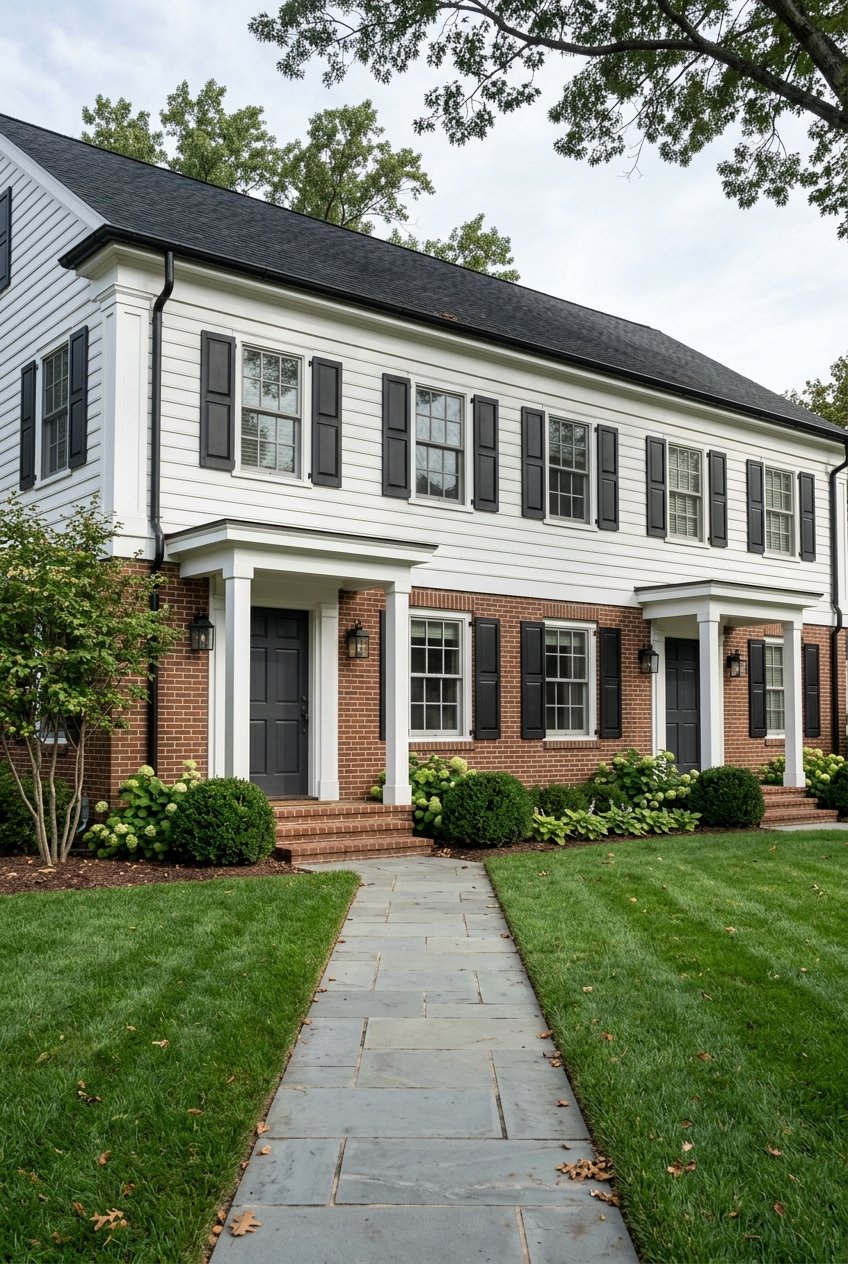
Real Estate Investing Opportunities In Flemington
If you are looking for a New Jersey investment market with walkability, renter demand, and multiple ways to add value, Flemington deserves a closer look. This borough offers a rare mix of small-town scale, mixed housing stock, and an active redevelopment pipeline that can appeal to both newer and experienced investors. Whether you are weighing a duplex purchase, a small multifamily hold, or a renovation project, understanding the local numbers and on-the-ground risks can help you invest with more confidence. Let’s dive in.
Flemington Borough serves as the seat of Hunterdon County, and its downtown Main Street corridor functions as the historic mixed-use core. According to the borough’s master plan, it is one of the few places in Hunterdon where residences, shopping, employment, and government services are walkable to one another.
That kind of layout matters when you are evaluating long-term rental demand. Walkable downtowns can support steady interest from renters who want access to daily needs without relying on a long drive for every errand.
Flemington also benefits from regional connections. The borough is served by Route 31, Route 202, and Route 12, and the same master plan notes that Trans-Bridge bus service connects Flemington with New York City, Atlantic City, Newark Airport, and JFK Airport.
One of the clearest signals for investors is Flemington’s renter-heavy housing profile. The borough’s 2019-2023 housing data shows that 64.8% of residents live in renter-occupied housing, while 35.2% live in owner-occupied housing.
Vacancy is also tight. The same report shows that only 3.8% of housing units are vacant, which suggests limited slack in the local housing supply.
Affordability adds another layer to the story. Median household income in Flemington is listed at $74,213, below Hunterdon County’s $139,453, and 47.5% of renter households spend 30% or more of income on housing costs. For investors, that can point to ongoing demand for moderately priced rentals rather than ultra-luxury product.
Flemington’s housing stock is more varied than many small boroughs. The housing plan shows that 33.1% of units are detached single-family homes, 26.0% are in two-, three-, or four-family buildings, and 33.4% are in buildings with five or more units.
That mix creates several realistic investment lanes. In practical terms, the data points most strongly toward:
Unit size matters too. One-bedroom homes account for 32.6% of the local stock, followed by two-bedroom homes at 30.3%. Combined with the borough’s household profile, that supports demand for smaller, functional rentals that can serve individuals, roommates, couples, and modest family households.
Flemington’s population was estimated at 4,887 in the ACS 2019-2023 data, with a median age of 33.9. The largest age group is 20 to 34 years old, representing 27.8% of the population.
Household sizes also help shape the rental picture. One-person households make up 32.8% of all households, and two-person households make up 31.5%. Family households account for 62.1% overall.
For you as an investor, this suggests a market that may support both smaller entry-level rentals and modest family-sized units. It is not a one-product market, which can create flexibility when you are building or adjusting your strategy.
When you underwrite a Flemington deal, it helps to separate broad public data from directional listing-platform snapshots. The borough’s 2019-2023 ACS figures place the median home value at $372,700 and the median gross rent at $1,578.
Using those two numbers together, the research report estimates a rough gross-rent yield of about 5.1% before expenses, vacancy, repairs, and financing. That is not a shortcut to a buy decision, but it is a useful starting point for screening opportunities.
Recent brokerage platform snapshots came in higher, with Zillow reporting a typical home value in Flemington of $624,249 and average rent of $2,550 as of February 28, 2026. Because these sources use different methods and timelines, it is smartest to treat them as directional rather than directly comparable.
A big part of Flemington’s appeal is its older housing stock. The borough data shows that 25.0% of units were built in 1939 or earlier, and another 29.0% were built between 1940 and 1960.
That can create opportunity, especially if you are comfortable with renovation work. Older downtown and near-downtown properties may offer upside through thoughtful updates, improved layouts, or deferred-maintenance fixes.
Still, older does not always mean easy. The borough notes in its housing plan that rehabilitation in historic downtown areas can become costly because of structural and architectural issues.
If your strategy includes exterior work, redevelopment, or demolition, due diligence is essential. Flemington’s historic preservation commission reviews new construction, redevelopment, and demolition for compatibility within the historic district, according to the borough’s housing plan.
This does not mean you should avoid historic properties. It does mean you should budget more carefully, confirm timelines early, and understand that approvals may affect both cost and speed.
For some investors, that review process is a worthwhile tradeoff for owning property in a walkable, established downtown setting. For others, it may push the search toward less constrained assets.
Flemington is not standing still. The borough’s 2025 Housing Element and Fair Share Plan identifies major active projects including Courthouse Square, Spice Factory, Liberty Village, and the Union Hotel redevelopment.
These projects matter because they can influence both supply and downtown activity. New residential inventory can increase competition in some segments, while new commercial uses, public improvements, and added foot traffic can strengthen the broader investment case over time.
A few notable projects include:
The same borough planning materials also note that Main Street entered its final improvement phase in 2025, including signal, drainage, and repaving work. Public improvements like these can shape access, visibility, and tenant appeal over time.
For investors interested in mixed-use or adaptive opportunities, Flemington offers some helpful signals. The borough master plan says the Downtown Business and Downtown Business II districts are intended for mixed uses.
It also notes that residential uses in downtown have been granted variances and may be appropriate in some cases. In the Transition Residential district, many historic homes sit within walking distance of Main Street, and the district allows single-family and two-family homes, including conditional conversions from single-family to two-family homes.
That does not replace zoning review for a specific property. But it does show that Flemington has a framework that can support more than one investment approach.
No market is perfect, and Flemington has a few practical risks you should account for before making an offer. Most are not unusual, but they can affect returns if you ignore them.
Key risks mentioned in the borough’s planning documents include:
One detail worth noting is that a June 2022 borough study counted about 34 vacant Main Street commercial spaces. That does not erase the borough’s long-term appeal, but it does suggest some downtown assets may need stronger tenanting or repositioning before they become stable income producers.
Based on the local housing mix, renter profile, and redevelopment pipeline, Flemington appears strongest for investors who want practical, smaller-format opportunities rather than purely passive plays. You may find the best fit if you are comfortable balancing upside with some operational complexity.
The most promising strategies appear to be:
With a large renter base, low vacancy, and meaningful existing multifamily stock, duplexes through small apartment buildings look like one of the more natural fits. These properties may offer better alignment with local demand than a higher-priced single-asset strategy.
Because one- and two-bedroom units make up a large share of the market, smaller rentals can line up well with local household sizes and affordability realities. Well-located, efficiently updated units may be especially competitive.
Older homes and near-downtown properties may create room for forced appreciation. The key is disciplined budgeting, especially if the property falls within an area where preservation review or older building systems could affect your scope.
If you have experience with downtown assets, Flemington’s mixed-use orientation may be worth watching. That said, commercial vacancy and parking concerns mean these deals deserve more conservative underwriting.
Flemington offers something many investors are chasing: a walkable county-seat downtown, a renter-heavy housing base, low vacancy, and a pipeline of projects that could keep reshaping the borough over the next several years. It is not a market where every property works, and older assets can come with real complexity. But if you focus on small multifamily, modestly priced rentals, and carefully chosen value-add opportunities, Flemington can be a market worth serious attention.
If you want help evaluating investment opportunities with a data-driven, high-touch approach, connect with The Ivanov Group. Our team helps buyers and investors identify opportunities, assess risk, and move with clarity in competitive New Jersey markets.
Stay up to date on the latest real estate trends.

Whether you're looking to invest, build, or find your dream home, The Ivanov Group is here to help. Contact us today to learn more about how we can be a part of your real estate success story.